US
US
 Canada
 Japan
Japan
 United Kingdom
 European Union
 Taiwan
 Malaysia
 Singapore


First Foods That Are Easy for Babies to Digest

Easy-to-digest first foods are soft, simple, nutrient-dense foods that babies can safely mash, swallow, and explore when they show readiness for solids. For many families, baby led weaning first foods work best when they are naturally soft, cut into safe shapes, and served without added salt or sugar. The goal is not to replace breast milk or formula right away, but to help babies practice eating while discovering new tastes and textures. Most babies begin solids around 6 months when they can sit with support, control their head and neck, and bring food toward their mouth. CDC guidance on introducing solids explains that babies do not need foods introduced in a specific order, as long as choices are developmentally appropriate.
The Best Easy-to-Digest First Foods for Babies
Start With Soft Foods That Mash Easily

The easiest first foods for babies to digest are soft enough to mash between your fingers. This texture helps babies move food around their mouth without needing teeth, which makes baby led weaning first foods feel more manageable during early meals.
Soft avocado, ripe banana, steamed sweet potato, cooked carrot, steamed pear, and soft squash are practical starting points. These foods have gentle textures, mild flavors, and enough structure for babies to hold when prepared as thick strips or wedges.
A helpful baby first foods list should include both self-feeding options and spoon-fed options. Some babies enjoy holding food immediately, while others start more confidently with mashed textures offered on a preloaded spoon.
Choose Iron-Rich Foods Early
Iron-rich foods matter because babies’ iron needs increase around the time solids begin. Baby led weaning first foods should include tender meats, soft beans, lentils, egg, and iron-fortified oatmeal when these foods fit the family’s feeding plan.
Serve tender meat in soft, shredded pieces or as a moist patty that breaks apart easily. Beans and lentils should be cooked until very soft, then lightly mashed so they hold together without becoming dry or crumbly.
HealthyChildren.org from the American Academy of Pediatrics notes that starting solids is gradual and that breast milk or formula remains the main source of nutrition at first. This helps parents keep early meals calm, exploratory, and low-pressure.
Use Safe Shapes for Self-Feeding
Shape matters as much as the food itself. For early self-feeding, many baby led weaning first foods work well as large, soft strips that are easy for babies to grip with their whole hand.
Foods should be long enough to stick out of a baby’s fist and soft enough to break down with gentle pressure. Avoid hard rounds, sticky clumps, tough skins, whole grapes, raw apple chunks, popcorn, nuts, and other common choking hazards.
A safe early baby first foods list focuses on texture, size, and supervision. Babies should always eat seated upright, awake, and closely watched by an adult.
Offer Foods With Simple Ingredients
Simple foods are easier for parents to evaluate and easier for babies to experience. Baby led weaning first foods do not need seasoning blends, sauces, added sugar, or added salt.
Single-ingredient foods also make it easier to notice how a baby responds to a new texture or ingredient. This does not mean every food must stay separate forever, but simple meals are useful during the first stage of feeding.
Families often ask what foods can 4 month olds eat, and the safest answer is that most babies are not ready for solids until closer to 6 months unless a pediatrician gives specific guidance. The CDC states that children can begin eating solid foods at about 6 months, while some clinical guidance explains that readiness varies and solids should not begin before 4 months.
Build a Balanced First Foods Routine
A balanced feeding routine includes fruits, vegetables, grains, proteins, and healthy fats over time. Baby led weaning first foods can be simple, but they should gradually expose babies to a wide range of food groups.
Good early combinations include avocado with oatmeal, lentils with soft sweet potato, egg strips with steamed zucchini, or mashed beans with ripe pear on the side. These pairings offer variety while keeping textures soft and manageable.
Parents looking for thoughtful baby products often want mealtime tools that support steady routines instead of adding complexity. Abiie® designs family-focused gear with an emphasis on quality, practical use, and everyday comfort.
Make Mealtime Comfortable and Upright
Babies need stable seating before they can focus on eating. A supportive high chair helps babies sit upright, stay aligned, and participate safely in family meals.
The Abiie® Beyond Junior® high chair is especially relevant during the transition to solids because it supports daily feeding routines as babies grow. A stable seating setup keeps attention on the food, which is important when introducing baby led weaning first foods.
Mealtime comfort also affects parent confidence. When cleanup, positioning, and access are easier, caregivers are more likely to offer variety and repeat exposure without feeling rushed.
Use Repeated Exposure Without Pressure
Babies often need repeated exposure before accepting a new food. A practical baby first foods list should leave room for repetition, because early feeding is a learning process rather than a performance goal.
Offer a small amount, let the baby explore, and stop when they show fullness cues. Turning away, closing the mouth, pushing food away, or losing interest can all mean the meal is finished.
Baby led weaning first foods work best when parents respond to the baby’s pace. Responsive feeding teaches babies that meals are safe, predictable, and connected to their own hunger and fullness signals.
Prepare Foods for Digestion and Safety
Preparation changes how easy a food is to manage. Steaming, roasting, mashing, shredding, and thinning with breast milk, formula, or water can turn many family foods into appropriate baby led weaning first foods.
Dry foods are harder for babies to move and swallow, so add moisture when needed. Tender meats, grains, beans, and vegetables should feel soft, cohesive, and easy to break apart.
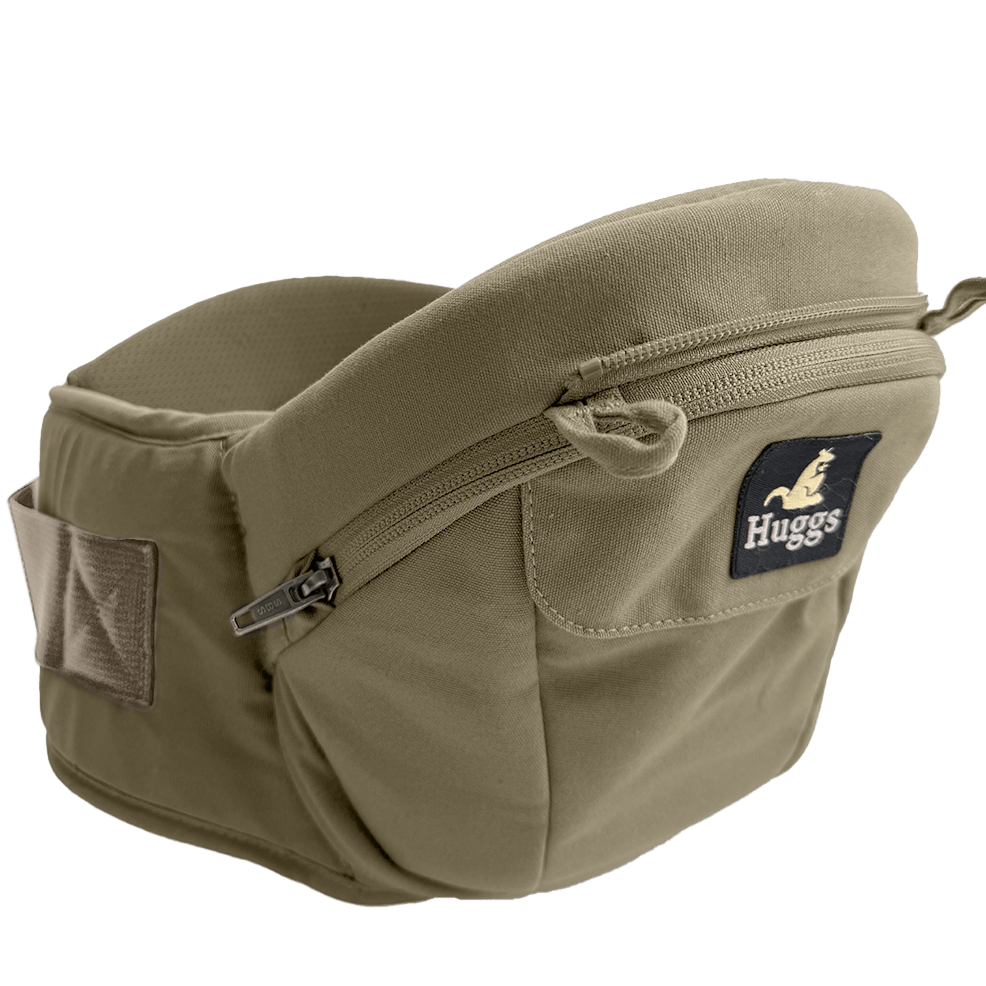
Families who spend time away from home may also appreciate practical baby hip carrier options for daily routines before or after mealtime. Feeding should still happen in a safe seated position, but supportive gear can make busy family days feel more organized.
Keep the First Foods List Simple
A clear baby first foods list helps parents plan without overthinking every meal. Good starter foods include soft avocado, steamed sweet potato, ripe banana, oatmeal, soft pear, cooked carrot, scrambled egg strips, mashed beans, lentils, tender chicken, and plain yogurt when dairy has been introduced appropriately.
Parents can rotate these foods across the week instead of offering many new items at once. A slower rhythm makes shopping, preparation, and observation easier.
Useful baby gear supports these everyday rhythms by making feeding, carrying, and cleanup feel more streamlined. Abiie® focuses on practical products that fit real family routines.
Choose Planet-Friendly Mealtime Habits
Starting solids creates a new daily routine, and small choices can make that routine feel more intentional. Families interested in eco friendly baby products often prefer durable feeding items that can be used consistently instead of being replaced frequently.
Durability matters because early feeding includes spills, repetition, and daily cleaning. Long-lasting products fit the same mindset as simple, nutritious first foods: choose practical items that support the family for more than one stage.
Conclusion: Easy First Foods Are Soft, Safe, and Simple
The best first foods for digestion are soft, moist, easy to mash, and appropriate for the baby’s developmental stage. Parents can begin with gentle fruits and vegetables, then add iron-rich foods, proteins, grains, and healthy fats as the baby gains skills.
The strongest early feeding routines combine safe textures, upright seating, patient repetition, and responsive cues. With the right preparation and supportive mealtime setup, baby led weaning first foods become a calm introduction to family meals.
About The Author