US
US
 Canada
 Japan
Japan
 United Kingdom
 European Union
 Taiwan
 Malaysia
 Singapore


How to Encourage Independent Play for Babies and Toddlers

Key Takeaways
- Independent play helps infants and toddlers build, stretch their imaginations, and improve problem-solving skills.
- Learning how to encourage independent play involves providing toys appropriate to your child’s age and stage, using open-ended toys, and keeping playtime fresh with new ones.
- Start with together time so your child is more content with alone time later.
- Make independent play part of your baby’s routine, so it becomes familiar.
Independent play is like a muscle. It needs to be flexed and stretched regularly, allowing young children to grow that muscle and their creative abilities.
Sound impossible? While encouraging independent play will definitely require some patience, it can be done. Learn how to encourage independent play with helpful strategies from Abiie®.
What Are the Benefits of Independent Play for Infants and Toddlers?
Independent play is more than a form of entertainment. It serves as a crucial tool for building children’s social, emotional, and cognitive skills. As children begin to see themselves as individuals separate from their caregivers, at around 8 months, promoting independent play also helps strengthen their identity.
Learn how to encourage independent play to help your child:
- Boost creativity and imagination
- Enhance concentration and focus
- Build confidence and self-reliance
- Improve problem-solving
- Improve self-regulation
Understand What to Expect From Solo Playtime
You should set appropriate expectations for solo playtime. Your child’s independent playtime can vary based on their age and temperament.
- 6 Months: Infants often manage independent play for about 5 minutes.
- 12 Months: Most children can handle around 15 minutes of solo play.
- 18 Months: Your toddler may play alone for 15 to 20 minutes.
- 2–3 Years: These toddlers can typically play independently for 30 minutes or longer.
How to Promote and Encourage Independent Play

Try these independent play ideas from Abiie® to get started.
Choose the Right Toys
Open-ended toys encourage active play. That means you’ll want to ditch the singing and light-up toys in favor of more open-ended toys like stuffed animals, blocks, and toy cars. This way, they can create their own unique scenarios.
Choose Age-Appropriate Toys for Their Stage
If your child’s toys are too challenging, they’ll get frustrated and need your help. Too easy, and they’re bored. Choose baby products that are both engaging and appropriately challenging for their age.
Start with Time Together First

While it may seem counterintuitive when learning how to encourage independent play, you should begin playtime with your child.
This doesn’t have to be for too long. But 10 to 15 minutes of undivided, focused attention “fills their bucket” so they’re more content with solo play.
Keep Them Close While They Play
Encouraging independent play doesn’t mean your child is isolated. Children learn and play best when they feel safe and secure, and that’s when you’re nearby.
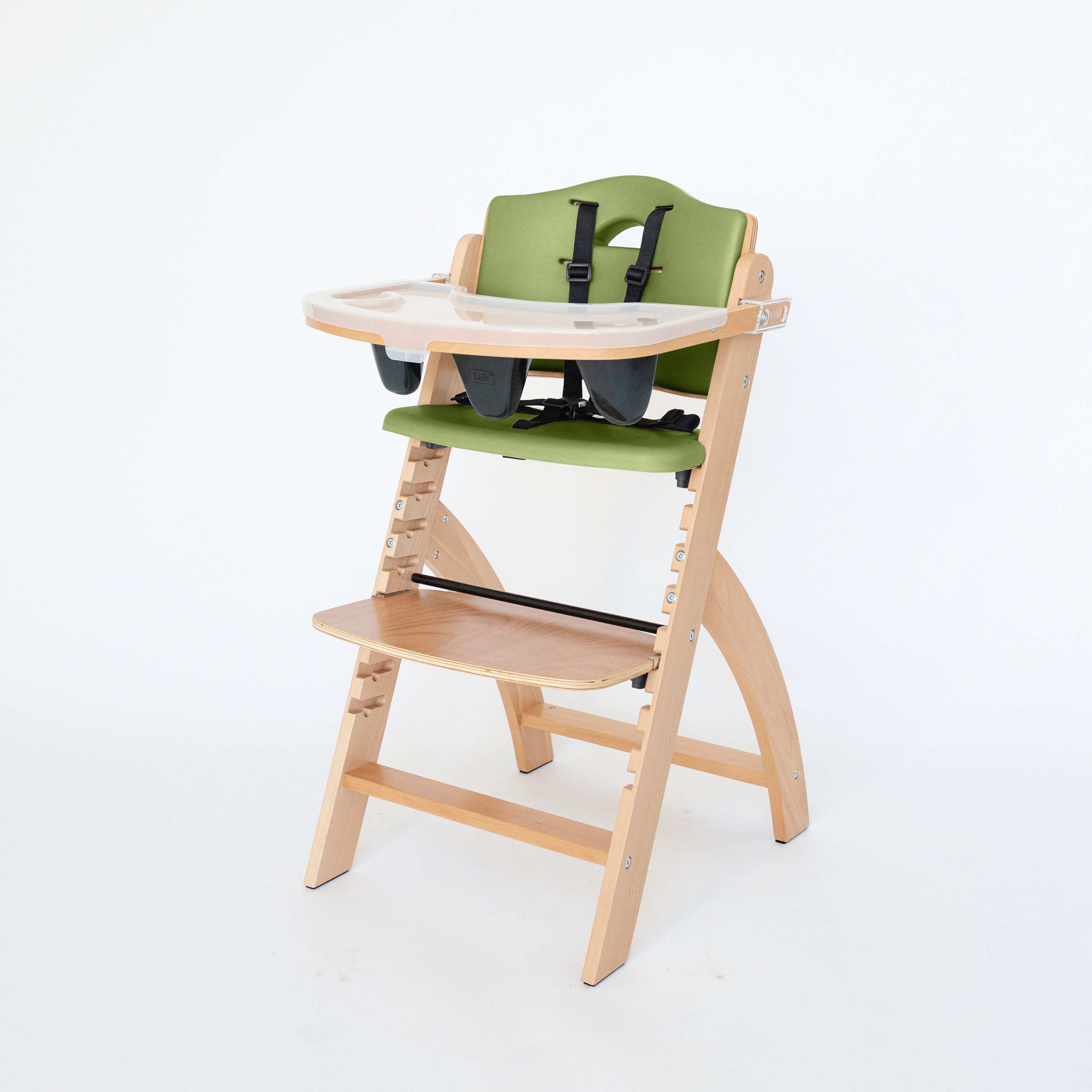
Create a safe space where they can be alone and immersed in play, with you within sight or earshot. This can be in a designated room or even in their wooden high chair.
Be an “Invisible” Presence During Play
Try to avoid interrupting or commenting on their play, even if it’s a positive comment such as “That’s so creative” or “Good job.” Yes, you’re learning how to encourage independent play. But this encouragement should happen with your actions, not your words.
Though well-intentioned, these disruptions pull your toddler or infant’s focus from their independent play.
Keep Playtime Engaging
Children can get bored playing with the same toys. Rotate them regularly to keep them engaged and spark their imagination.
Don’t provide too many toys, though. This can overwhelm infants and toddlers.
Turn the Screens Off
Screen time can be distracting when you’re encouraging independent play.
You want their attention on their fun high chair activities and toys – not the TV or tablet. Consider turning off any screens for the extent of their playtime.
Start Small
You wouldn’t jump into the deep end when learning how to swim. The same applies when you’re learning how to encourage independent play. Start small. Begin with just 5 to 10 minutes, especially if this is new to your child. You can gradually increase the independent playtime as they become more comfortable with this time alone.
Incorporate Independent Play into Your Child’s Routine
Just like consistent bedtimes and mealtimes in their Beyond Junior® and silicone baby bib, independent play should be part of your baby’s daily routine. This consistency will help it feel more familiar.
Support Your Toddler’s Independent Play
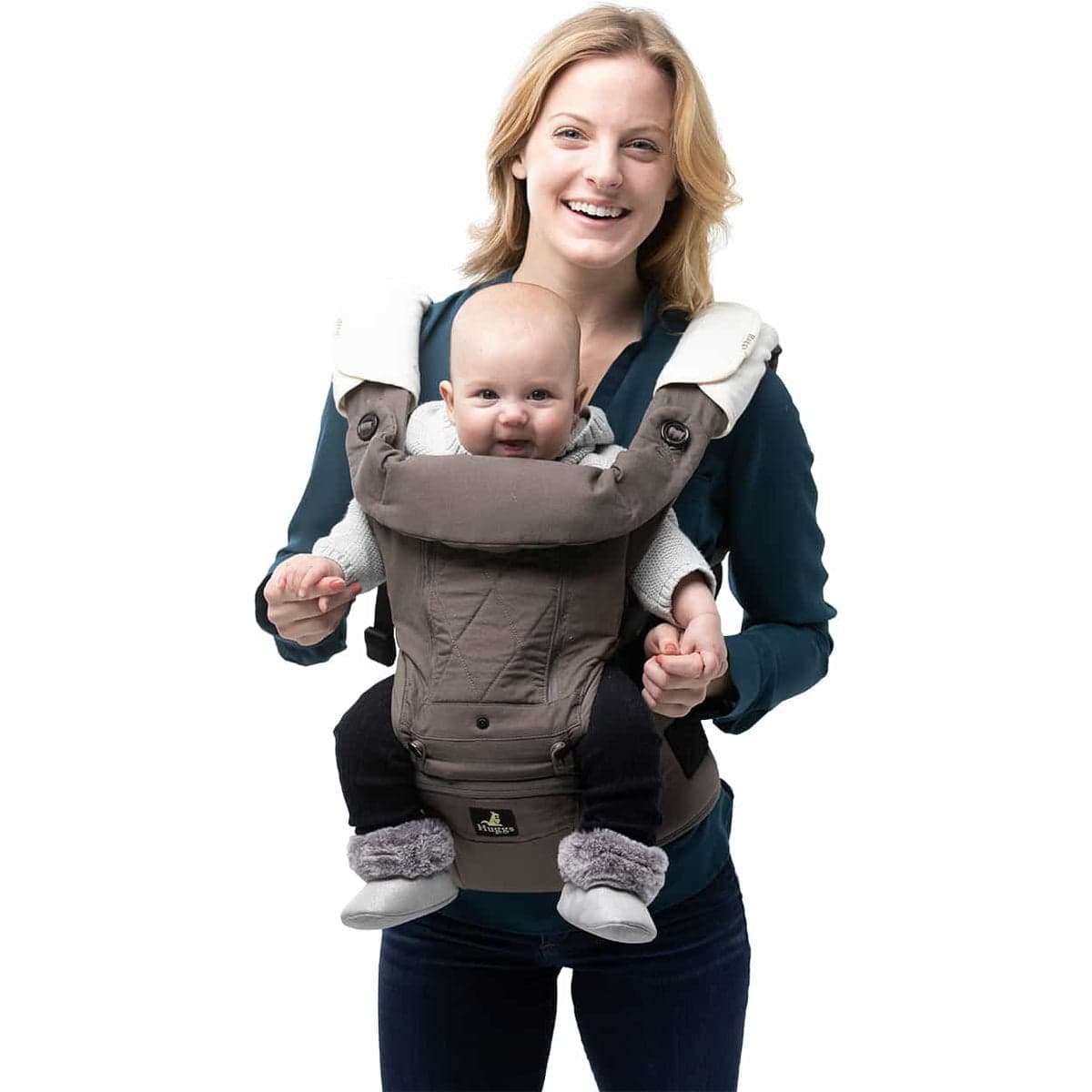
There’s nothing better than quality time with your baby, whether it’s walks in their baby hip carrier or stacking blocks on the floor. But independent play is tremendously beneficial for children, supporting their cognitive and emotional development. Be patient, give our ideas a go, and your little one will be playing independently in no time.
About The Author